
From Bike Lanes to Brain Health: What’s Driving the Future of Cycling
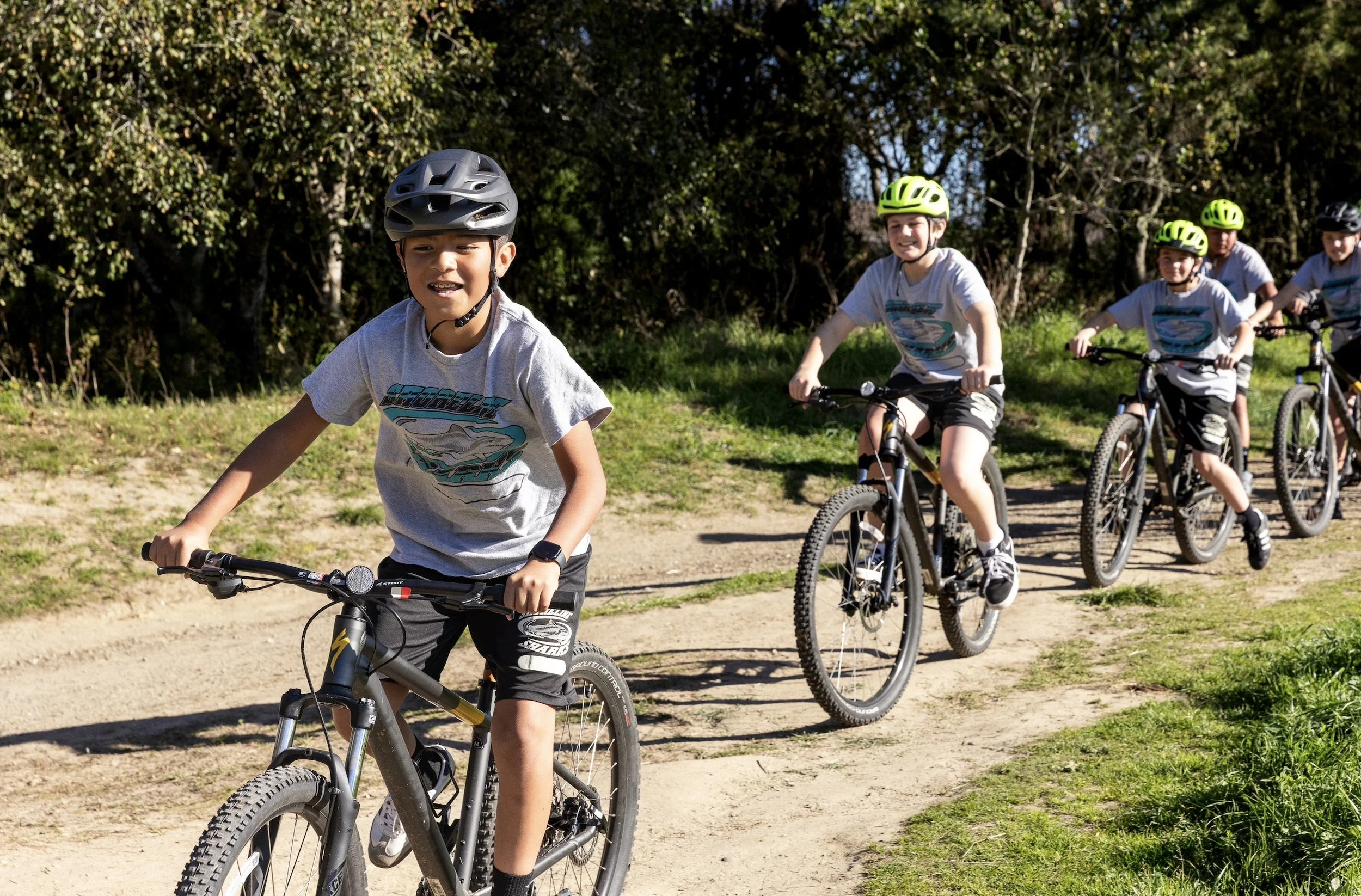
Riding for Focus Students at Shoreline Middle School in Santa Cruz, CA
This October, members of the Outride team attended the Safe Routes to School Conference (SRTS) in Minneapolis, MN and Silicon Valley Bicycle Coalition’s Bike Summit (SVBC) in Burlingame, CA to network, learn, and share our work. While both conferences highlighted the importance of safe, connected infrastructure, they also reinforced that getting more people on bikes requires collaboration across sectors, from transportation and public health to education, community organizations, and research.
Here are a few takeaways!
#1: Cycling Supports Well-Being And Brain Health
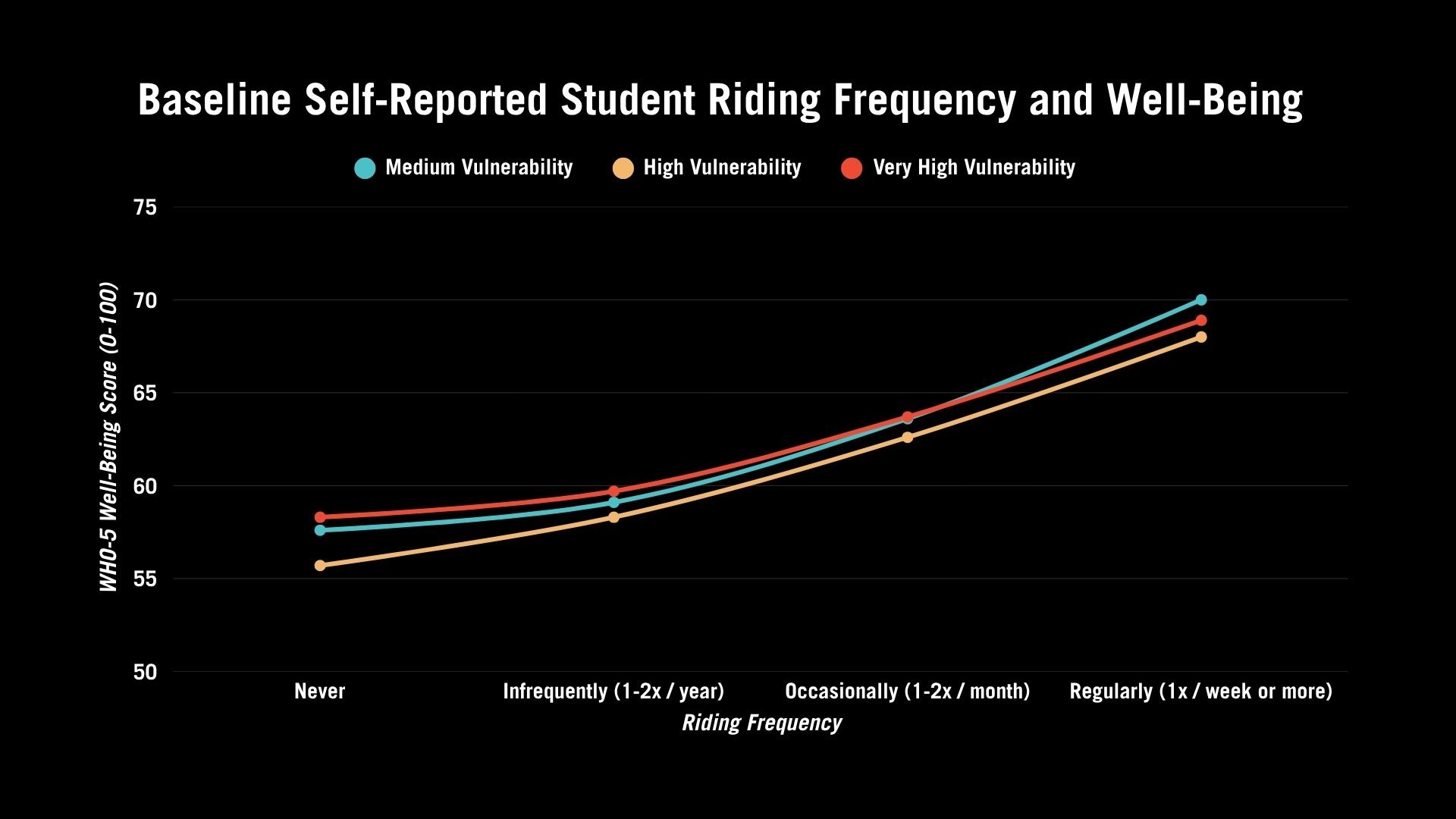
Riding for Focus students are reporting increased well-being with more frequent bike riding
SRTS – In a breakout session, Chazz presented on Outride’s Riding for Focus program and how schools can use cycling as a tool to support youth well-being, engagement, and learning. Many attendees saw the program as a valuable complement to existing Safe Routes to School efforts. While infrastructure and route planning remain essential, they also recognized the need for high-quality programs that help students develop cycling skills, build confidence, and experience the joy of riding.
SVBC – Lauren shared how cycling impacts the brain health and well-being of older adults, kicking off the session with a mini neuroscience lesson. The audience learned that cycling consistently can reduce the risk of dementia by 19%, that the size of your hippocampus – a structure in the brain in charge of learning and memory – can increase in size preventing cognitive decline. In addition, you can imagine the positive benefits that arise for older adults from getting outside, biking with friends and family, and staying active. Results from the 50+ cycling survey were shared with tips on how to keep older adults cycling, including adding a motor or an extra wheel for stability to prevent falls and extend years of riding.
These conversations highlighted how the benefits of cycling for brain health and well-being are intertwined with broader factors, including the availability of safe infrastructure, policies that protect cyclists and pedestrians, and community norms around cycling. Through our research, school programs, and grants, Outride contributes one piece of that larger ecosystem.
#2: Programs Can Be as Important as Infrastructure in Supporting Ridership.
SRTS – The collective action approach was on display in the host cities, where Outride- supported Community Impact Grant and Riding for Focus programs in Minneapolis Public School and St. Paul Public schools are working together. In one example, a Riding for Focus program at the Sullivan STEAM School has partnered with Safe Routes to School to create confident cyclists. Experiences like these suggest that when cycling initiatives like Riding for Focus and Safe Routes to School operate alongside one another, they can help build momentum for cycling and create additional opportunities for youth to ride, building excitement for cycling and increasing access. To sum it up, working in partnership across these disciplines has important implications for developing cycling culture and ensuring program longevity. Learn more about how one school, Sullivan STEAM School is putting that into practice here.
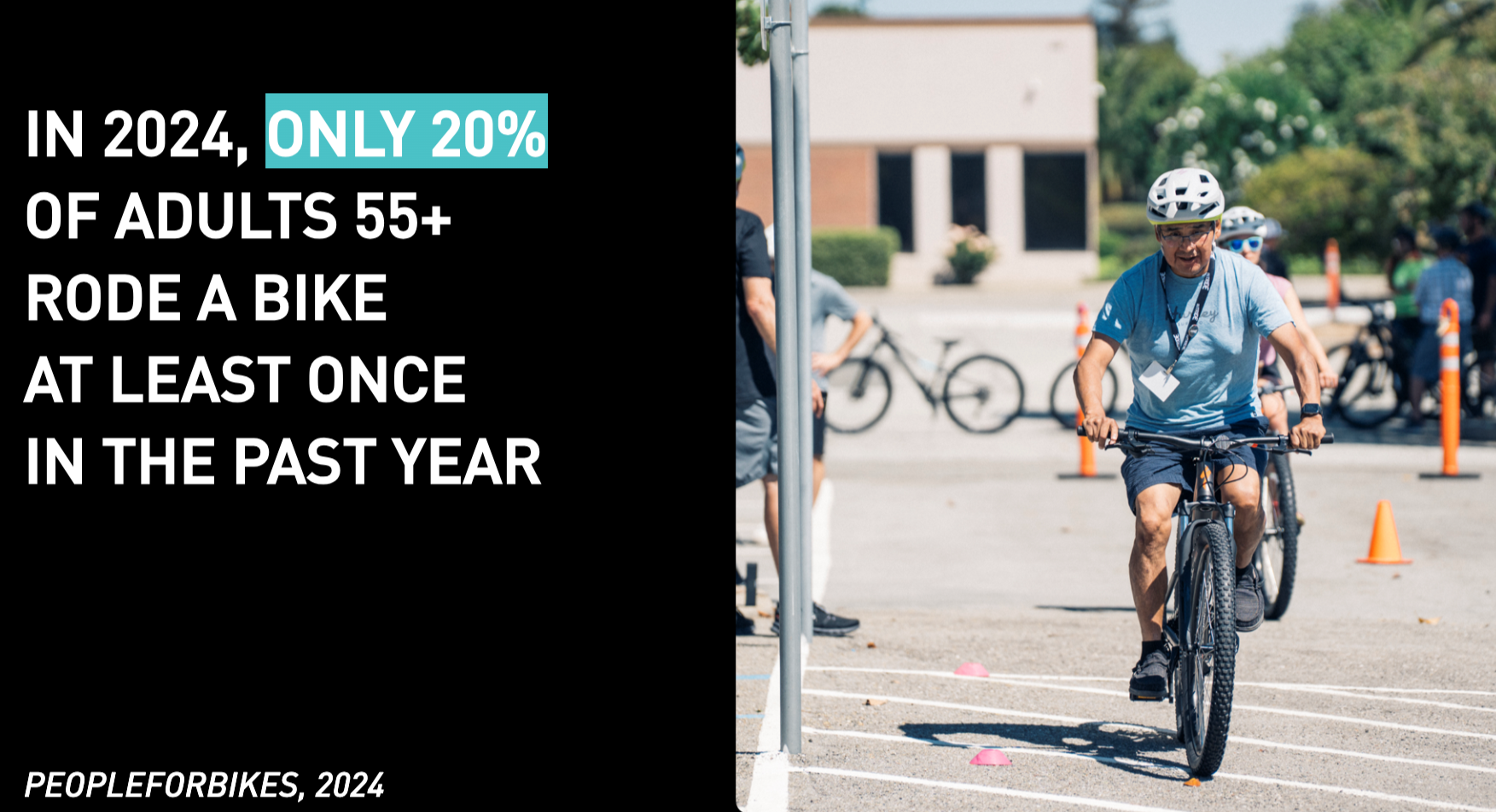
SVBC – Clarrissa Cabansagan, the Executive Director of Silicon Valley Bicycle Coalition, shared that over 90% of older adults want to age in place – aging in their home and community rather than moving to a senior living home of independent living center. As we age, cycling can be an important tool for sustaining independent mobility. However, for many older adults, it may have been 20+ years since they last biked, or maybe they are the primary caregiver for their children and parents without much time to spare for their personal activity. Cycling programs that reintroduce confidence and that provide a safe environment to cycle can be essential for supporting older adult ridership.
Through our research, school programs, and grantmaking, Outride supports organizations working to make cycling and its benefits more accessible and welcoming, supporting an ecosystem that empowers all people to become lifelong riders. Combined with efforts to build and sustain safe infrastructure, these programs are part of the broader, collaborative approach needed to help more people access the benefits and opportunities that cycling can provide. One example is how Ghisallo Cycling Initiative in Texas is supporting adult ridership, partially supported by Outride’s Community Impact Grant. And at the University of Florida, the Pedaling Past Barriers program is promoting safe, accessible cycling for older adults in Gainesville, funded in part by Outride’s Research Partnership Grant.
#2: Cross sector partnerships are needed to advance the cycling agenda
SRTS – Chazz was reminded that expanding access to cycling requires an integrated approach that combines access to bikes, programs, and infrastructure. Further, it depends on an interconnected network of policymakers, educators, funders, and community organizations. For organizations like Outride, whose mission focuses on helping youth and older adults experience the brain health benefits of cycling, these broader factors and networks play a critical role in empowering young people, in particular, to safely and confidently ride in their communities. In a breakout session, Kim Wiley-Schwartz of the New York City Department of Transportation shared lessons from the city’s Vision Zero initiative. Her message centered on the idea that successful change depends on relationships built long before specific projects begin. Rather than treating partnerships as transactional, she emphasized investing in long-term connections and cultivating a network of stakeholders who can work together when opportunities arise.
SVBC – Speakers and attendees from a variety of backgrounds like urban planning, independent living centers, research, and community organizations, came together to share and discuss the conference theme around finding a path to a healthy and equitable Bay Area. It was clear from the variety of presentations that achieving this goal requires a coordinated effort across sectors. From Outride, sharing the research around cycling’s impacts on brain health and well-being can be a powerful message. Highlighting these connections between riding, brain health, and well-being may help engage audiences beyond traditional transportation and cycling circles.
Overall, these conferences highlighted how the bicycle can be an amazing tool for health and well-being, while also showing the need for additional supports in communities – from programs to infrastructure – and the importance of coordinated efforts across sectors to create meaningful and lasting change.
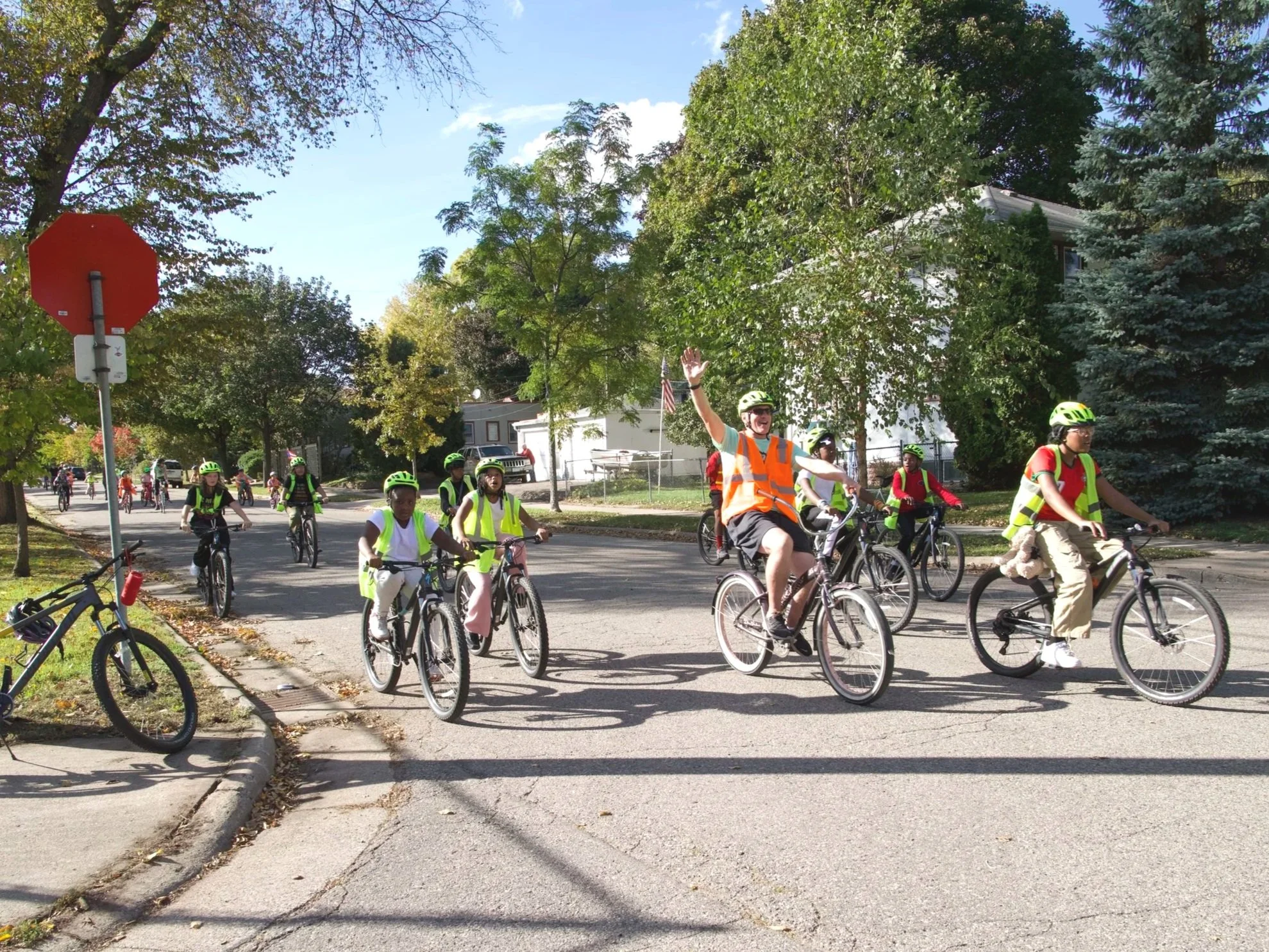
Sullivan STEAM School’s Jeff Sanders leads students during “Let’s Roll MPS”
If you’re interested in supporting Outride’s efforts to expand access to the benefits of cycling through research, school programs, and grants please consider donating to support our mission and follow us at @outride on Instagram to see our work in action.