
Research Partnership Grant
current application cycle is closed
What is a Research Partnership Grant?
Outride works with many incredible community organizations and educators who are expanding access to cycling and its benefits to brain health through our Community Impact Grants and school cycling programming, Riding for Focus. Over time, many have shared an interest in evaluating programming, cultivating applied research partnerships, and learning about practical tools to demonstrate impact, which is why Outride launched the new Research Partnership Grant to help communities evaluate their impact and translate research into action.
2026 Research Partnership Grant Awardees
Catalyst Sports and Allison McIntyre and Dr. Ulrich Koch from George Washington University: Assessing Youth Cycling Programs' Readiness to Include Adaptive Cycling
Bicycle Coalition of Philadelphia and Dr. Gareth Jones and Dr. Aubrey Kent from Temple University: Bicycle Coalition Youth Cycling Program Evaluation
Tubafashe Academy School, Sekoko Primary School, Collective Hands Academy and Dr. Marlon Lee Moncrieffe from Ubuntu Cycling Foundation: African School-Based Cycling, Youth Mental Health, and Child Voice: A Comparative Multi-Country Study
Bike Club Tulsa and Dr. Cian Brown from the University of Arkansas: Evaluating the effects of therapeutic adventure on mental wellbeing in school-based youth cycling programs
Grow Cycling Foundation: From First Ride to Lifelong Rider: Evaluating a School-to-Community Cycling Pathway for Inglewood Youth
Chartwell School and Dr. Marilu Gorno Tempini, Dr. Ezra Mauer, and Dr. Sarah Inkelis from UCSF: Pedaling to Focus: Quantifying the Impact of Mountain Biking on Attentional Control in Neurodiverse Learners
CREATE Inc. and Dr. Kelly Massey from Georgia College and State University: Cycling, Regulation, and Belonging: An Evaluation of Youth Cycling in Behavioral Health Settings
DTC and Dr. Rafael Alamilla from Indiana University: Factors Influencing Enjoyment of Cycling Experiences Among Older Adults: A Qualitative Study
Transition Town – All St. Anthony’s Park and Dr. Yingling Fan, Dr. Tracy Kugler, and Dr. Bonnie Horgos from the University of Minnesota: e-Bike Access and Everyday Experiences: How Multi-Day eBike Access Shapes Older Adults’ Daily Activities, Trips, and Happiness
The Village at Gainesville and Dr. Hongwu Wang from the University of Florida: Pedaling Past Barriers: Translating Occupational Therapy Principles into Community Cycling Programs for Older Adults
Center of Southwest Culture and Dr. Lisa L. Losada-Rojas University of Northern New Mexico: The Adelitas Program: Bicycling for Mental Health and Social Connection Among Women Ages 55+
What’s the purpose of this grant?
This funding opportunity aims to:
Strengthen real-world evidence on cycling’s benefits for older adults and youth, including brain health, mental wellbeing, social connection, and physical function.
Build evaluation capacity within community organizations.
Foster meaningful community/academic partnerships that translate research into practice.
Generate toolkits that help organizations improve programs and secure future funding.
Share findings by amplifying existing research and translating that into programs.
Gain investment from funders, policymakers, and practitioners to expand equitable access to the social, emotional, cognitive, and physical benefits of bicycling.
Support culturally responsive projects that reach communities facing the greatest barriers to cycling
-
The following focus areas are guided by Outride’s mission and Theory of Change, our learnings so far, and existing gaps in the field.
1) Track 1: Older Adults (Ages 55+) and Bicycling
Older adults face distinct barriers to biking such as fear of falling, low bicycling confidence, mobility challenges, social stigma, and limited access to appropriate bikes. Yet research shows strong promise using cycling as a tool to improve health and well-being outcomes among older adults. Regular physical activity, including cycling, is associated with slower cognitive decline, improved executive function, and mood regulation. In addition, group rides and community cycling programs can address loneliness and increase older adult participation in social events. And importantly, skills-based riding and progressive practice may reduce fall risk and improve confidence.
Despite these benefits, few older adult cycling programs have been rigorously evaluated in real-world community settings, and even fewer studies included older adults with diverse backgrounds. This track aims to understand the impact of bicycling on older adults' well-being and brain health.
Focus areas may include:
Best practices for developing bicycling confidence among older adults, including type of bicycle, instruction progression, program components, etc.
Exploring the role of group rides in supporting social connection among older adults
Understanding brain health, wellbeing, and/or cognitive outcomes of bicycling participation on older adults
Bicycling programming that engages older adults from underrepresented populations
Partnering with a researcher to support with data analysis and write-up of an existing organizational dataset that aligns with older adults and bicycling
Partnering to share existing research around bicycling’s impact on older adults via toolkits or other dissemination strategies.
2) Track 2: Youth Cycling Research and Evaluation
Outride’s origins are deeply rooted in empowering young people to access the benefits of bicycling, from youth with ADHD to youth without access to a bike at home. Many of our partner organizations introduce cycling to youth who may experience academic challenges, attention or behavioral difficulties, social isolation, chronic stress, or who don’t connect with more traditional sports. For many young people, cycling can increase self-confidence and focus, build resilience, reduce stress, and foster belonging.
This track aims to garner evidence on why cycling works so well for youth and how programs can optimize these effects, especially by encouraging the transition from school-based programs into community riding.
Focus areas may include:
How do the unique aspects of cycling (e.g. non-competitive, outdoors, fun, etc.) engage students who do not typically enjoy physical activity or who may struggle during classes?
Evaluating a skills progression curriculum for skills beyond becoming safe and confident road cyclists, including mountain biking technique, multi-modal transportation, etc.
Bicycling’s effect on youth
Social Emotional Learning (SEL)
Mental wellbeing
Focus/attention regulation
Identity/belonging
Resilience
Researching pathways from school-based riding (e.g. Riding for Focus) to community riding (e.g. on trails, in cycling programs, racing, etc.)
Co-Created toolkits to engage cycling organizations in research / evaluation
-
Applicants must apply as a collaborative team consisting of:
At least one community-based cycling organization or educator, and
At least one academic/evaluation partner. Academic partners can be affiliated with university departments in public health, kinesiology, psychology, neuroscience, gerontology, education, or other related fields. You can also partner with a research institute or independent evaluators.
We will also consider applications from academics developing toolkits for organizations to begin evaluation work. However, proposals will need to include a partnership with a community organization(s) who will test the toolkit during the grant period – be sure to join the Research Pool to learn about organizations interested in this type of work.
Strong proposals demonstrate shared leadership, clear roles, community relevance, and feasible evaluation plans given the timeframe and budget.
-
Grant size: $5,000–$15,000 (aligned to scope)
Term: 12-18 months
Expected awards: 6-10 (pending award sizes)
Allowable costs: staff time for coordination/data collection; evaluation consulting or research assistant support; participant incentives; measurement tools/software; modest travel for partner coordination; program adaptations needed to support evaluation.
-
Projects should:
Pose a clear research or evaluation question aligned to the chosen track.
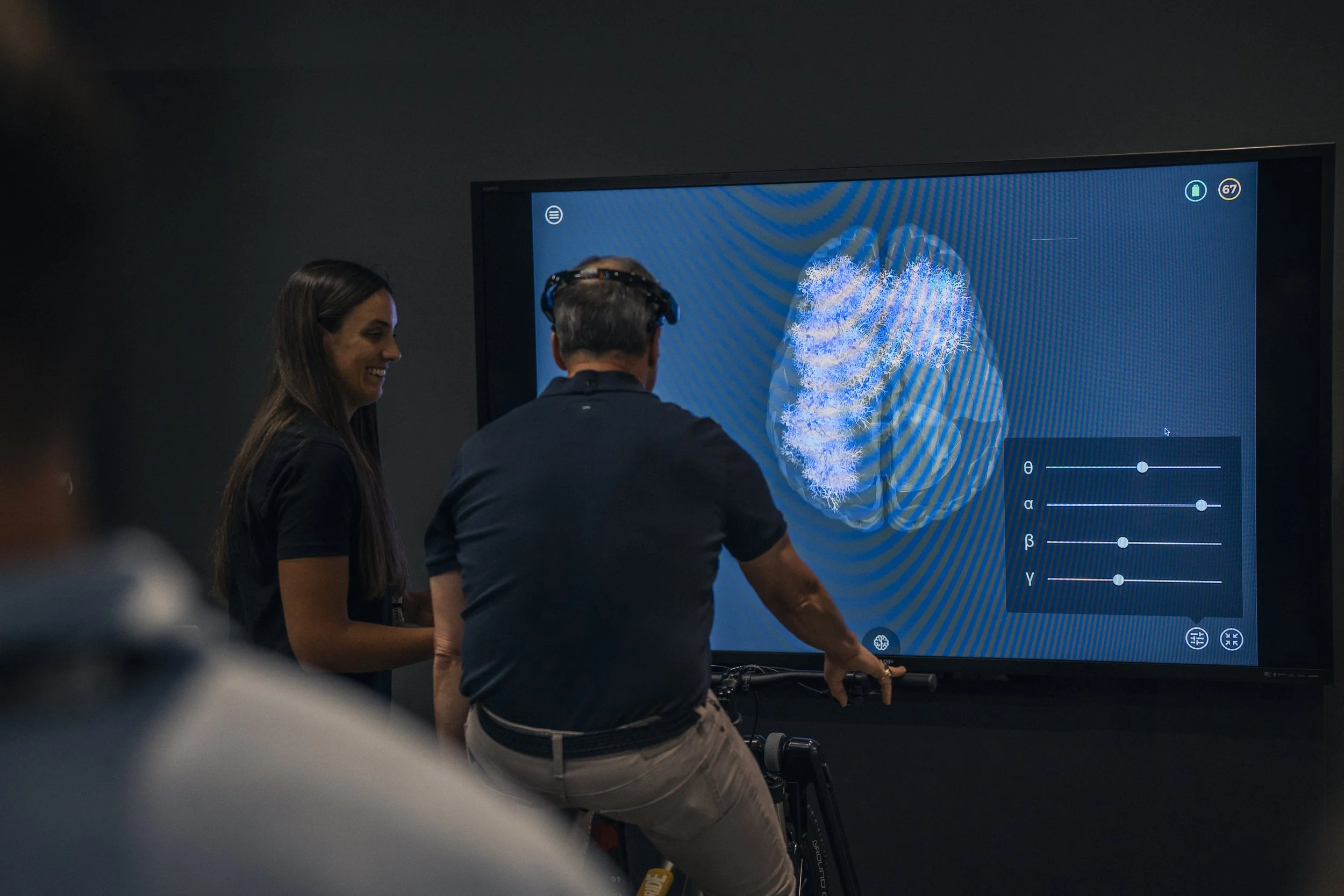
Use methods that match organizational capacity (e.g., brief pre/post measures, simple attendance/retention metrics, short interviews or focus groups, observational rubrics, or mixed methods). Projects that may use more specialized equipment (e.g. EEG, fNIRS, etc.) should ensure the community organization or school has approved the use of the selected method.
Include a practical plan for implementing findings and communicating impact.
Lay the foundation for future collaboration and funding opportunities.
-
Select funding track
Project summary (300–500 words)
Profiles
Organization mission, location, point of contact
Researcher background: research interests, link to publications / Google Scholar
Team & partnership description
Team Roles
Coordination plan
Research/evaluation question(s) and methods – what do you plan to research or evaluate? What are the anticipated impacts of this project?
Project Timeline with key milestones
Budget + brief justification
Example columns: Amount requested, Brief Justification
Letters of partnership or support confirming collaboration between parties
-
How do I make a partnership with a cycling organization/educator or researcher?
A great place to start is by joining the Outride Research Pool, our growing network of bicycling nonprofits, researchers, and educators interested in advancing the evidence around bicycling’s impact on wellbeing. This is a great place to learn about what members are interested in, what support they may need, and who you may partner with on an application.
Can I apply for other Outride grants (Riding for Focus and Community Grants) if I also apply for the Outride Research Grant?
Yes, you may apply for other Outride grant opportunities even if you apply for the Outride Research Grant, given that you meet eligibility requirements for all grants.
What is the difference between the Community Impact Grant and the Research Partnership Grant?
The Community Impact Grant is an unrestricted cash grant aiming to support programming aligned with Outride’s mission. Outride’s Research Partnership Grant supports partnerships between orgs/schools and researchers to expand the evidence around cycling's benefits on wellbeing.
Do I need to join the Outride Research Pool to apply for the Outride Research Grant?
While you do not need to join the Research Pool, it is highly recommended that you do join to connect with other educators, organizations, and researchers interested in this work and to stay up to date on Outride’s research opportunities.
Is there a geographical focus for these grants?
We are accepting international applications and do not have restrictions on geographical areas so long as the application criteria are satisfied.
What organizations are eligible to apply?
Nonprofits with 501c3 status, or organizations with a nonprofit fiscal sponsor* that implement bicycling programming or bicycling research
What educators are eligible to apply?
Educators that are running a school-based cycling program or who are partnered with a non-profit that supports a cycling program can apply.
My organization does not have 501 (c)(3) status. Can we still apply?
Eligible organizations must have 501 (c)(3) status and be able to provide a favorable tax letter upon request. Organizations with a nonprofit fiscal sponsor may apply.
Does my organization need to have an existing partnership with a researcher to apply, or vice versa?
The application for the Research Partnership Grant can be the first partnered project among community organizations/educators and researchers. However, before applying, both parties need to co-create and agree on the project, budget, timeline, and other aspects of the application. The grants operate with the goal to encourage partnerships between researchers and community organizations and educators, so be sure to connect before applying!