The Case for Cycling After 60: How Bikes Support Brain Health, Mobility, and Well-Being
Takeaways from the first Senior Cycling Research Symposium hosted by the Cycling for Active Aging Network and Outride
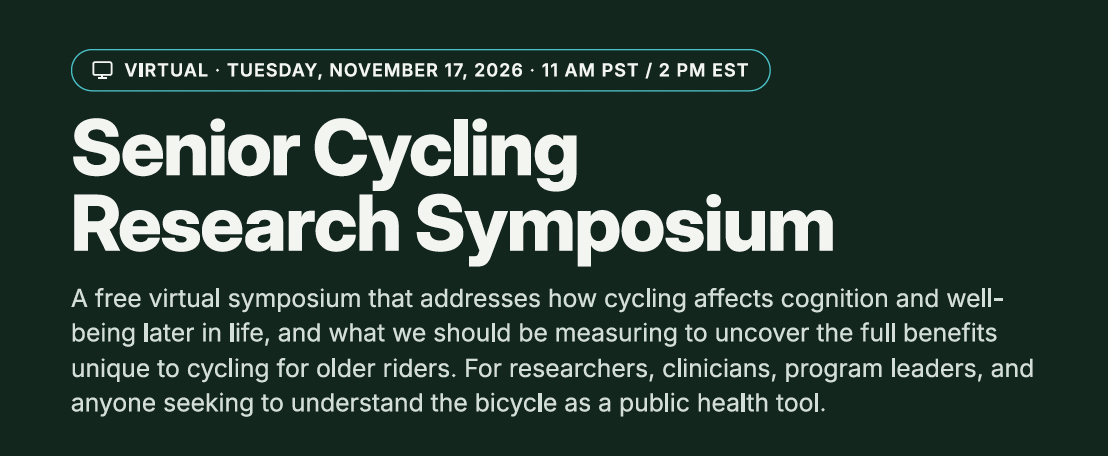
This week Outride co-hosted the first Senior Cycling Research Symposium with the Cycling for Active Aging Network (CAAN)! This webinar series will focus on sharing the research around older adult cycling and increasing awareness of cycling’s benefits for brain health. We plan to continue this series on a quarterly basis with the goal to promote cycling as an important tool for improving brain health and well-being and to encourage more older adults to cycle to access these benefits.
Click below to view the presentations
Key Takeaways from Presenters:
Extending the Cognitive Case for Cycling to Older Adults: Lauren Schuck
A scoping review of almost 90 studies around cycling interventions and their impacts on domains of well-being positions cycling as a powerful tool to support brain health and well-being. However, more translational research is needed, especially with youth and older adults to see how these results translate out of the lab to real world situations. Check out Outride’s Research Partnership Grant Awardees to learn about projects starting to do this work!
Watch Extending the Cognitive Case for Cycling to Older Adults
Physical Activity: A Lifespan Perspective: Elisa Torres, PhD, RN
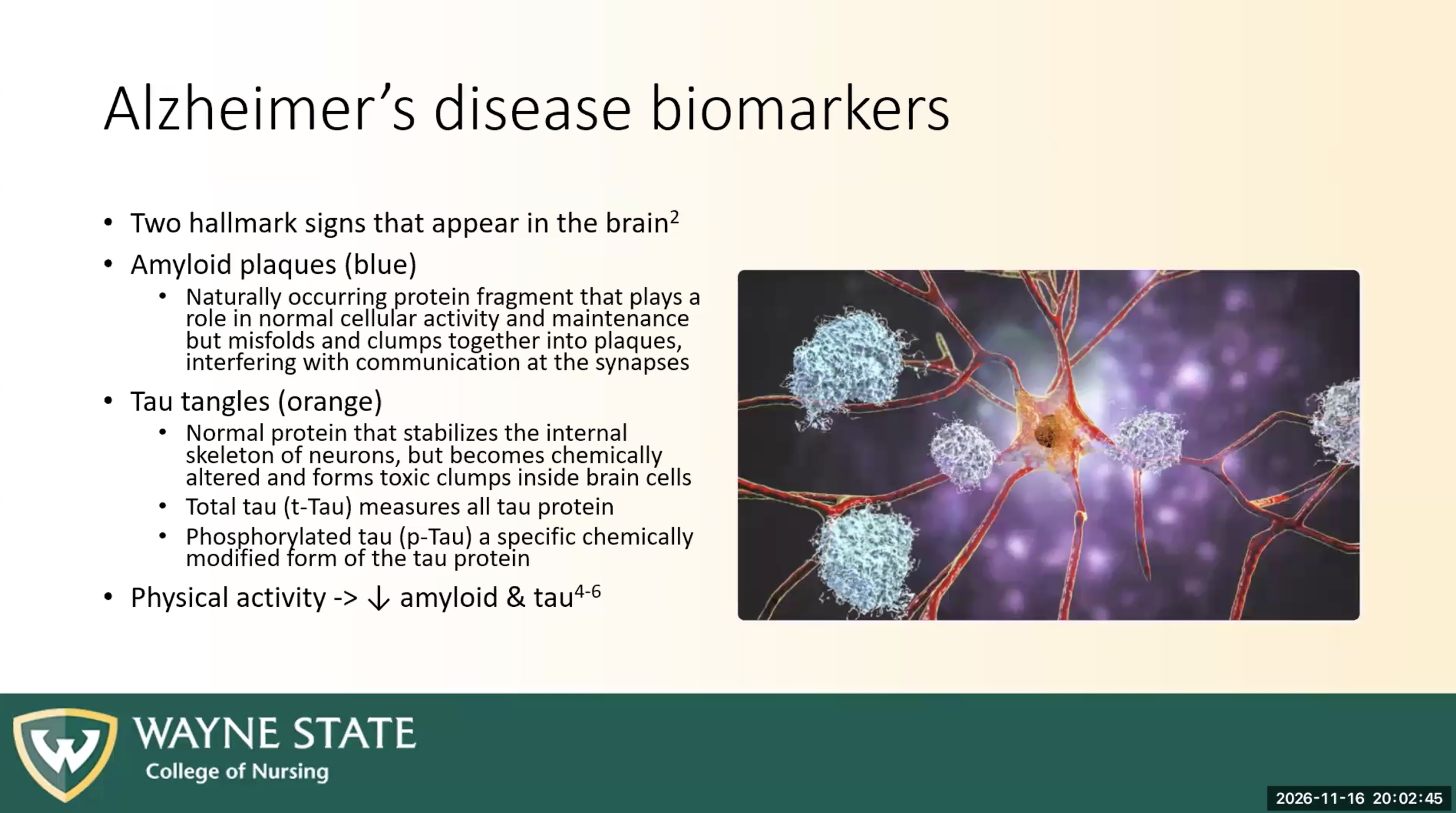
There are about 10 million new cases of Dementia each year, but Dementia does not have to be inevitable! Getting active (at any stage of life!) can protect our brains as we age.
Exercise Is Medicine 2.0: Active Aging Focus Gary McCall, Ph.D.
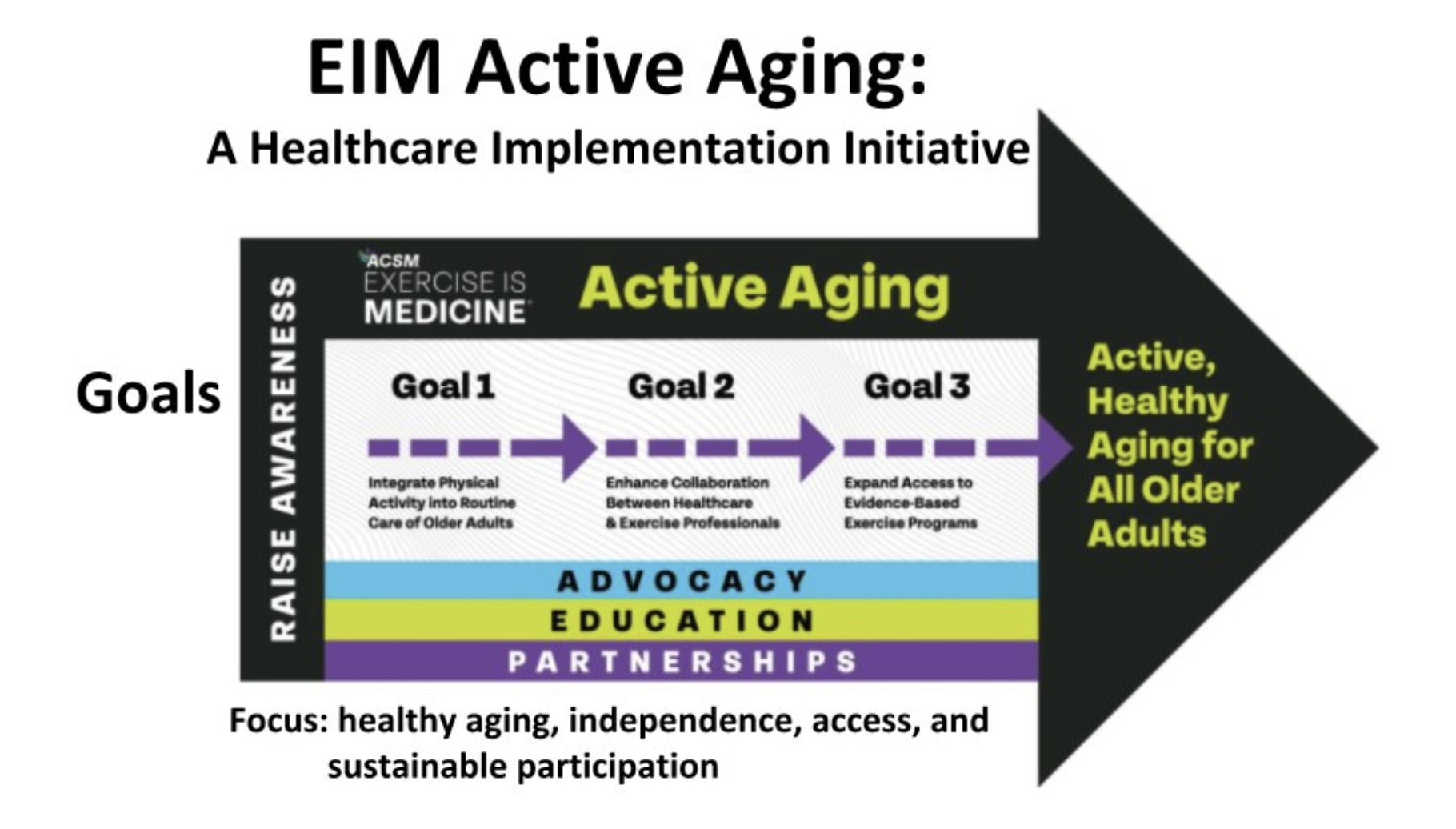
Supporting older adults to cycle is a whole system approach. We need the healthcare system to encourage exercise, like cycling, to continue building momentum. We learned how updates in the Exercise is Medicine 2.0 framework includes an active aging focus but how there is a long way to go for ensuring older adults are supported to ride.
Adaptive Cycling Considerations for Senior Cycling Research: Charlie Katica, Ph.D.
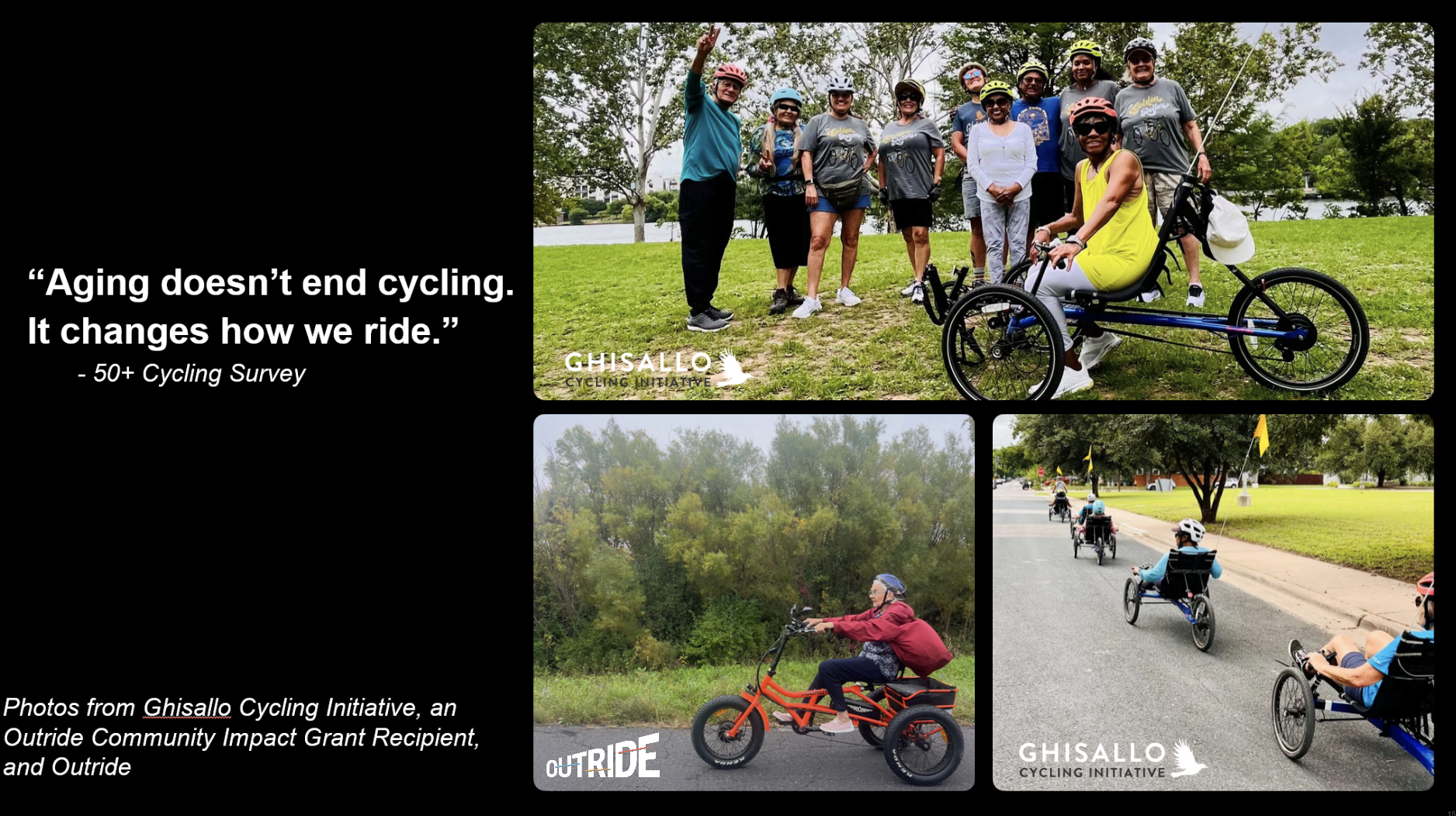
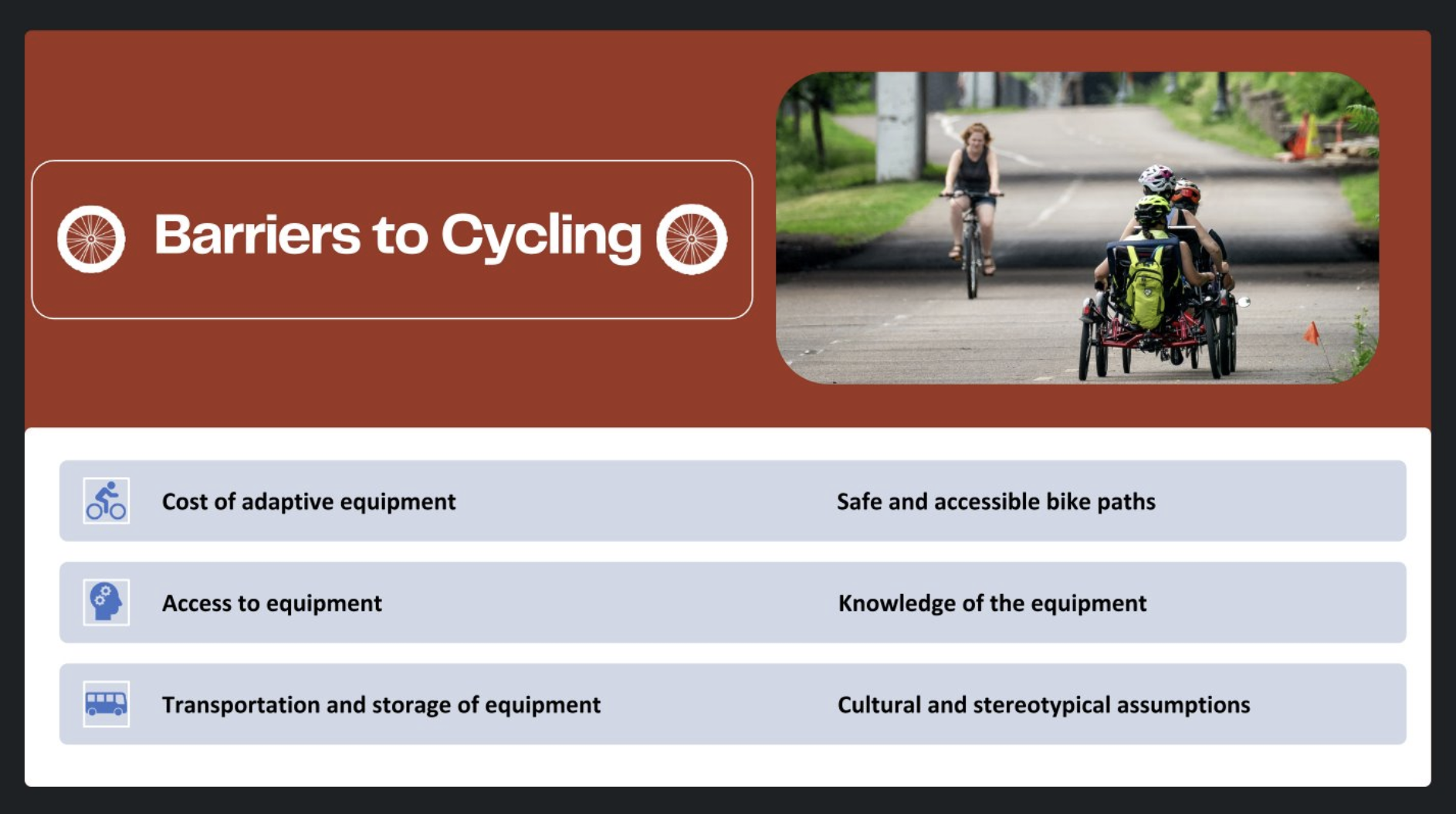
There can be many barriers to cycling as we age – one being mobility limitations. Spreading awareness about adaptive bikes (trikes, tandems, hand cycles, recumbent, side by sides and more!) and then creating environments that support these bikes will be key to supporting cycling into older age. Research in senior cycling should include how to adapt to physical limitations. Learn about an Outride Research Partnership Grant doing this work.
Watch Adaptive Cycling Considerations for Senior Cycling Research
Looking Deeper at the Impact of Activity on Older Adults: Cam Solomon, Ph.D.
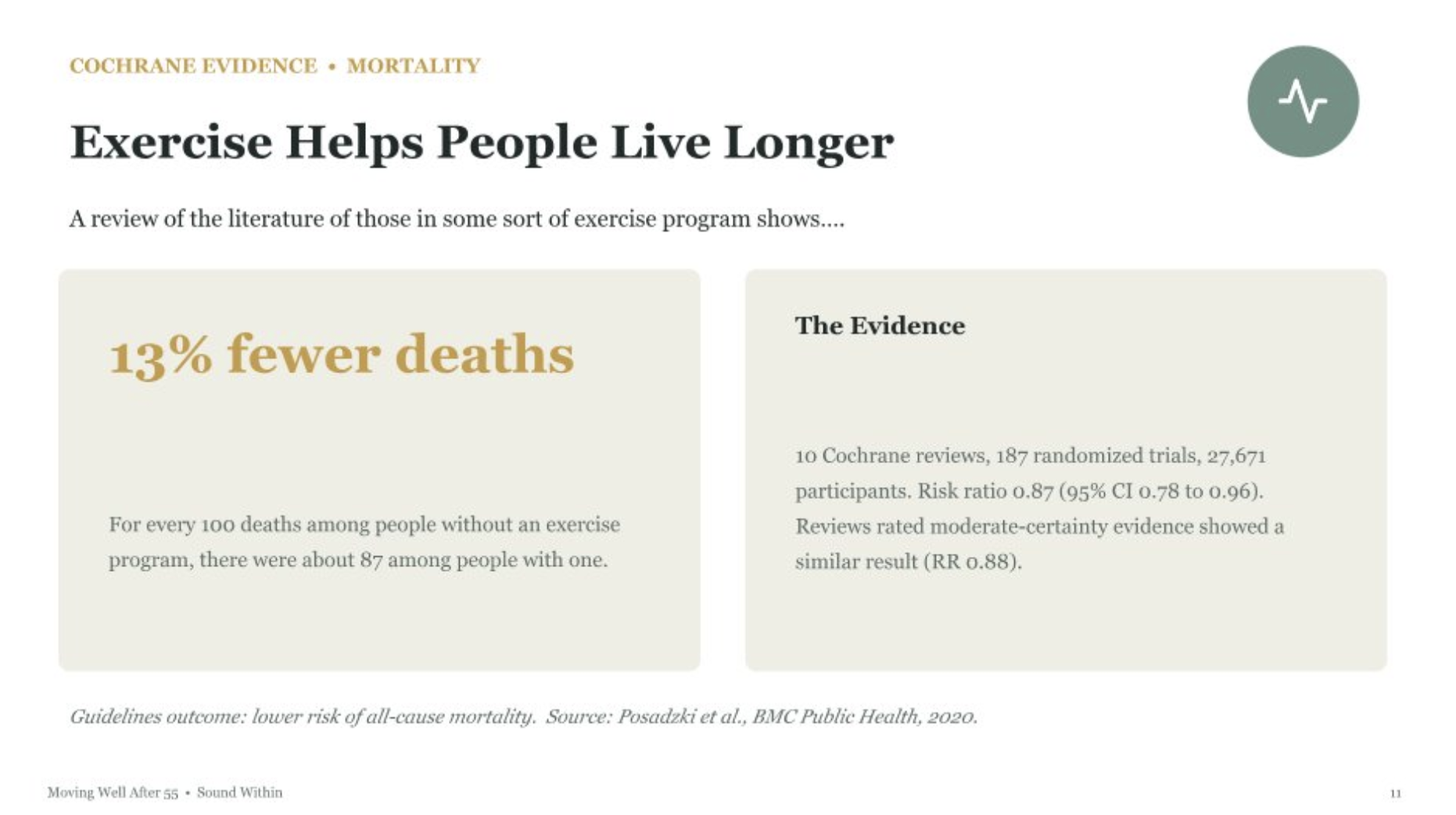
Exercise like cycling can help people live longer, save lives from heart disease, and support well-being, yet older adults are the least active out of any age group. Some strategies to support increased activity involve removing a number of barriers, such as reducing stigma and negative beliefs towards aging.
Watch Looking Deeper at the Impact of Activity on Older Adults
Learn more about the presenters and presentation topics:
Lauren Schuck, Outride Senior Research Manager: Extending the Cognitive Case for Cycling to Older Adults
Outride is widely known for supporting research and programs that show the social, emotional, and cognitive benefits of cycling across the lifespan. Since 2014, it has distributed more than $10 million through school programs, community grants, and research funding. Lauren opens the symposium by sharing Outride's interest in furthering our understanding of how cycling affects cognitive function in older adults.
Elisa Torres, PhD, RN: College of Nursing, Wayne State University: Physical Activity: A Lifespan Perspective
Participants in studies of older adults don’t arrive as blank slates. A 70-year-old who has been active for decades and one who has been sedentary since midlife may respond very differently to the same cycling intervention. Dr. Torres examined how earlier-life physical activity can shape research findings in middle-aged and older adults, and how study designs can account for that variation when interpreting outcomes.
Gary McCall, Ph.D. Department of Exercise Science, University of Puget Sound: EIM 2.0: Active Aging Focus
An update on the next iteration of Exercise is Medicine and its emphasis on active aging as a priority. This session covered what is changing in the EIM framework, how it is being applied to older adult populations, and the emerging role of Clinical Exercise Physiology on the medical care team, along with what practitioners and researchers need to know to align their work with these shifts.
Charlie Katica, Ph.D. Department of Kinesiology, Pacific Lutheran University: Adaptive Cycling Considerations for Senior Cycling Research
Research with older adults should not exclude people with physical limitations. Dr. Katica presented practical considerations for planning adaptive options, including equipment, inclusion criteria, safety, and measurement, so that programs and studies can welcome participants who might otherwise be left out.
Cam Solomon, Ph.D. Founder, Sound Within: Looking Deeper at the Impact of Activity on Older Adults
The evidence is clear that getting adults 55+ active improves their health. This talk moved past that finding to ask what comes next: which biometrics and deeper measures we need to capture to understand not just that activity works, but how and why.
About Outride
Founded in 2014, Outride advances research, programs, and funding to empower people to experience the brain‑health benefits of cycling. The organization has invested more than $10 million in funding, bikes, equipment, and programs - increasing access to cycling for 50,000+ youth each year, reaching nearly 500 schools, and fueling more than 250 community organizations. Through partnerships with universities and research institutions, Outride drives and supports studies that deepen our understanding of how cycling strengthens brain health across the lifespan.
Join the Outride Research Pool to learn about future events!
About CAAN:
The Cycling for Active Aging Network (CAAN) is a Pierce County partnership built on the belief that the group ride is a unique tool for helping people over 55 move from a sedentary to an active lifestyle. CAAN brings together the Tacoma Washington Bicycle Club, 2nd Cycle and ForeverGreen Trails to remove the barriers that keep inexperienced riders off their bikes. We are also working with local academic partners to learn what makes group rides work best, so we can improve our own rides and build a model of safe, effective strategies that other communities can use. Learn more at https://caanrides.org/