
New Study Provides Comprehensive Evaluation of Outride’s Riding for Focus Program
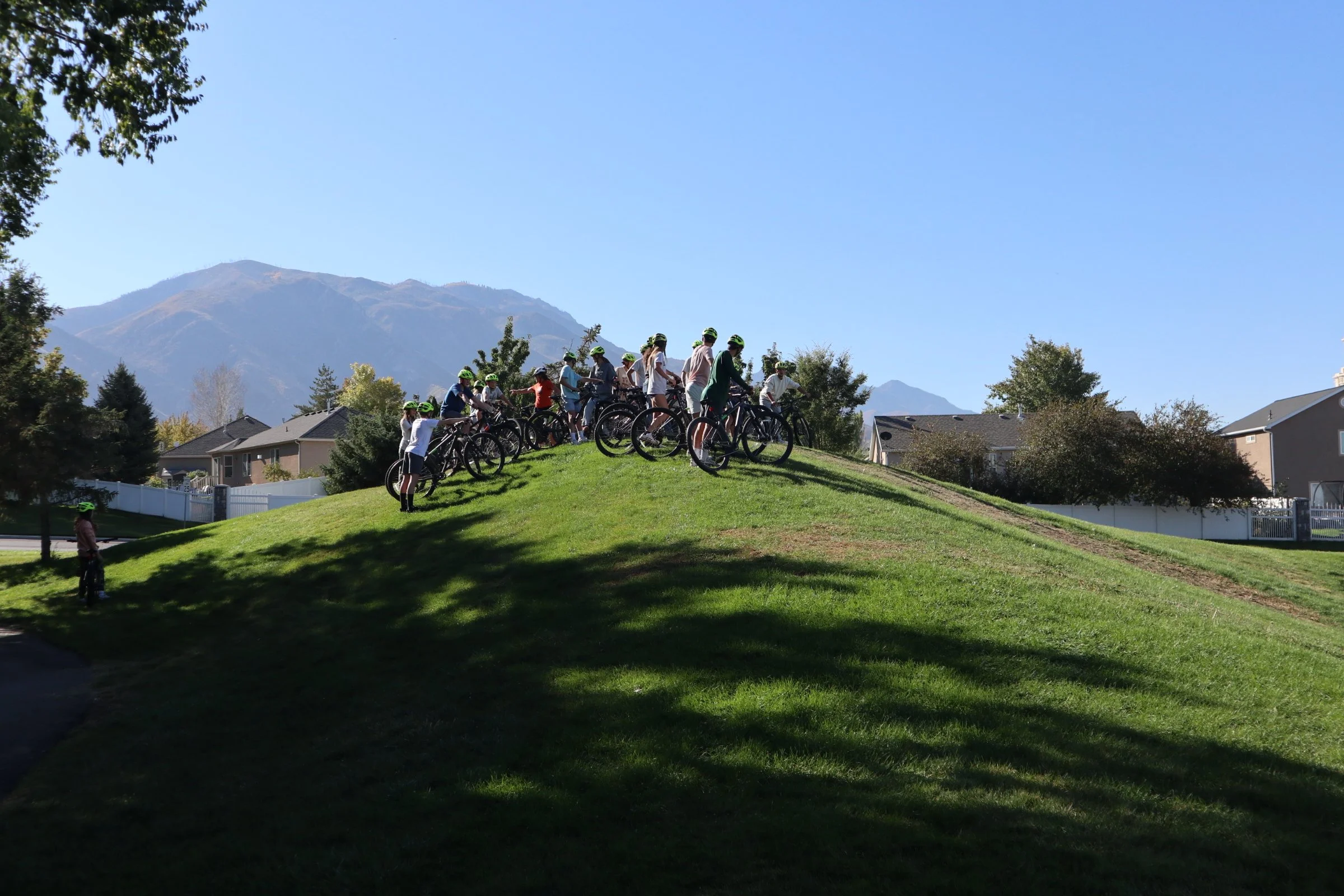
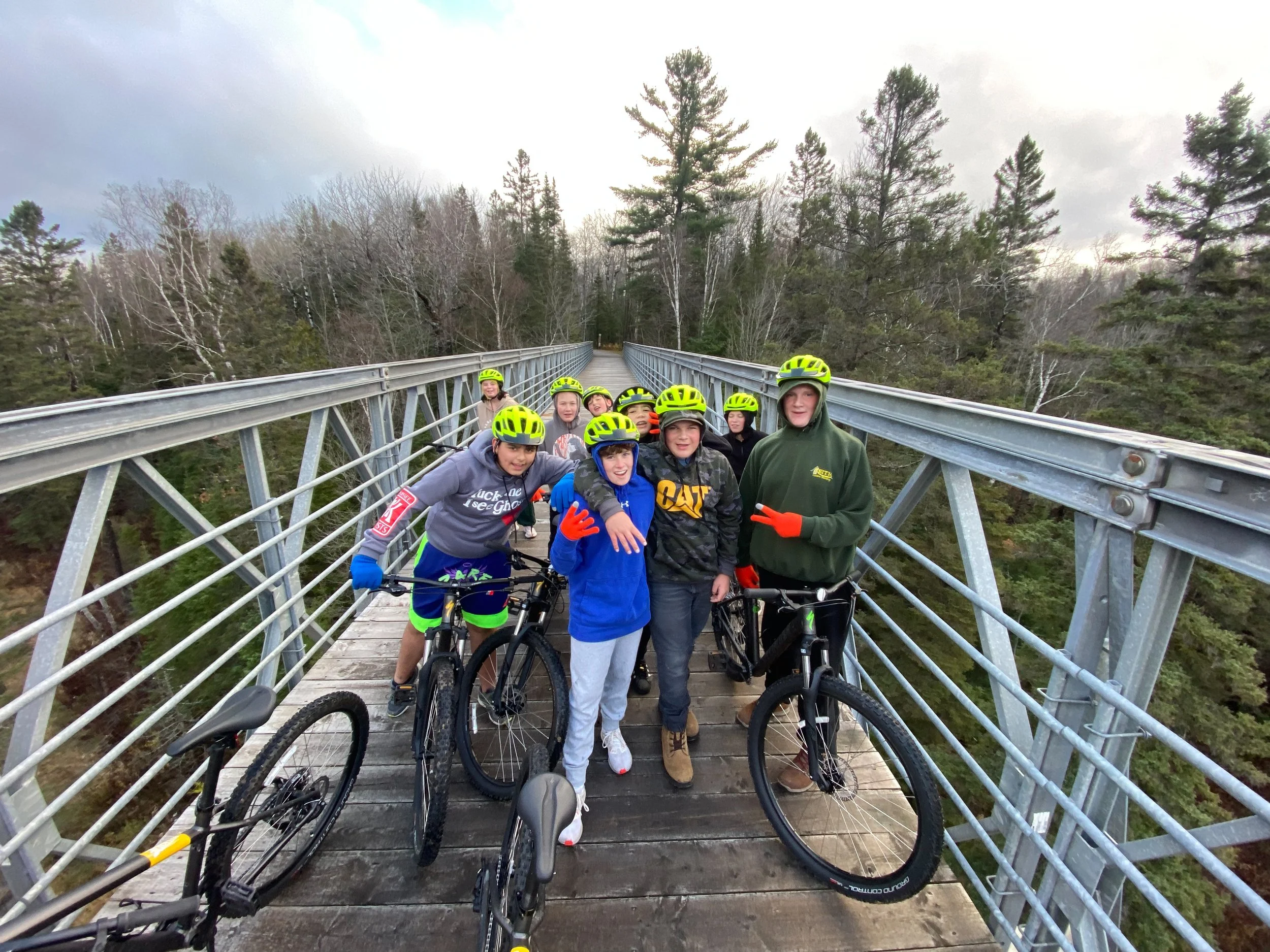
We’re excited to share the latest paper evaluating Outride’s Riding for Focus (R4F) middle school cycling program has just been published. The study, published in the Journal of Physical Activity and Health, and carried out in collaboration with Ben Rollenhagen (Instructor at Central Michigan University and youth cycling curriculum developer) was conducted during the 2022-2023 school year across a subset of 117 public schools in the United States onboarded during the COVID-19 pandemic (2020-2022). It provides a comprehensive look at how school-based cycling education can support youth confidence, safety skills, and overall wellbeing, while also highlighting opportunities for improvement. The evaluation used the RE-AIM framework, a public health approach used to understand a program’s reach, effectiveness, adoption, implementation, and maintenance (long-term sustainability).
Many young people face declining physical activity levels, rising mental health challenges, and fewer opportunities to build independence outdoors. Outride’s Riding for Focus program was designed to change that, providing teachers the tools to teach students with the skills, supplying equipment to ride safely and confidently, and learning first-hand about the power of physical activity to boost mood and clear the mind. This evaluation helps us better understand what’s working, what challenges schools face, and how we can continue strengthening the program for the future.
“Outride’s Riding for Focus program provides an adaptable framework for introducing cycling into a variety of settings, bringing the benefits of riding to youth in a way that’s fun, accessible, and sustainable. Together with our research and community grant program, Outride is helping to build healthy cycling communities all over North America. As this report shows, we’ve made significant progress in increasing access to cycling, and leveraged partnerships with like-minded organizations to provide support and pathways to ridership. Looking ahead to the future, we hope to build on this momentum and continue to expand our curriculum, network of partnerships, and capacity building resources to better support programs for long-term sustainability.”
- Chazz Robinson, Outride Programs Leader
WHAT THE STUDY FOUND
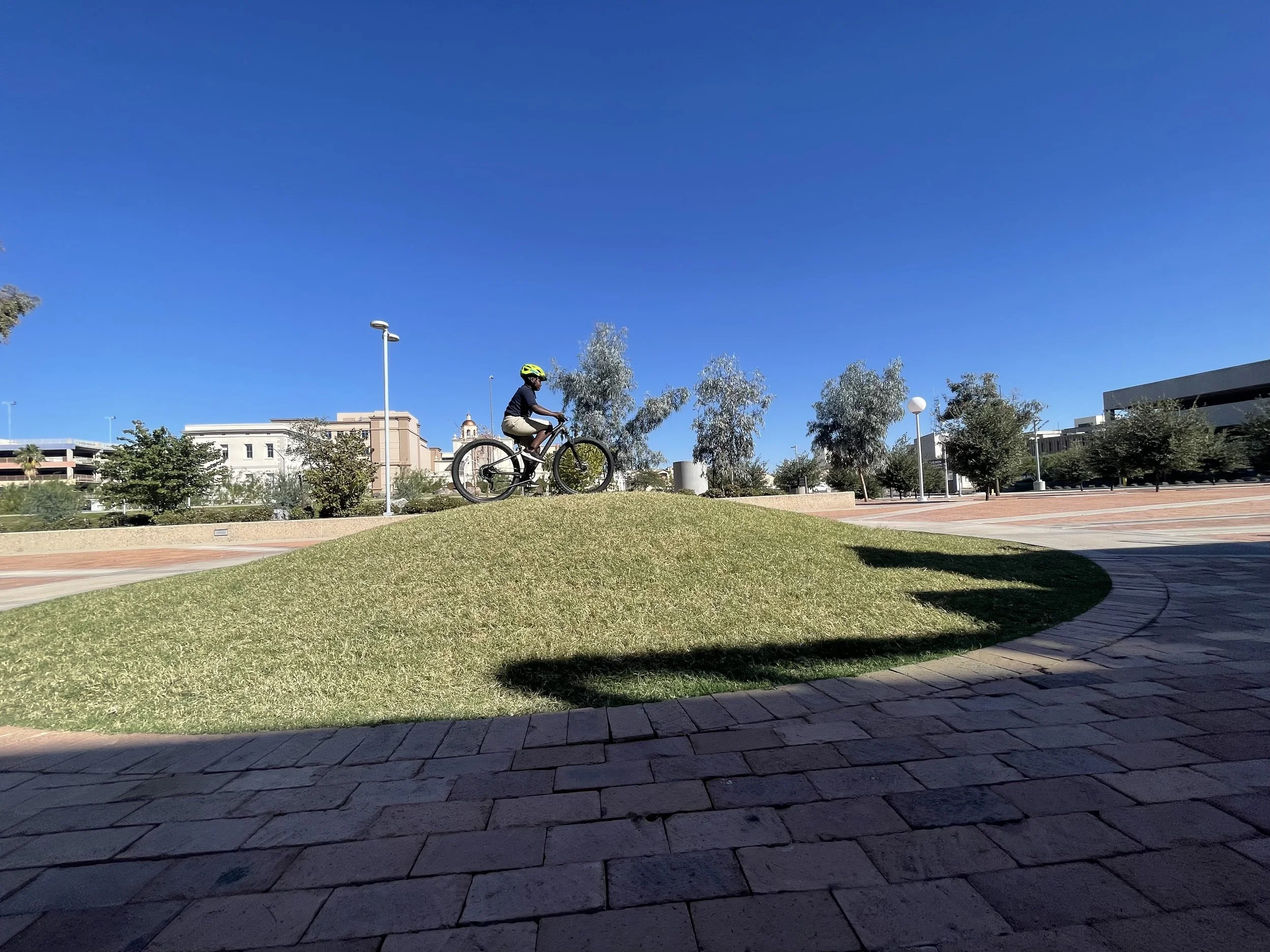
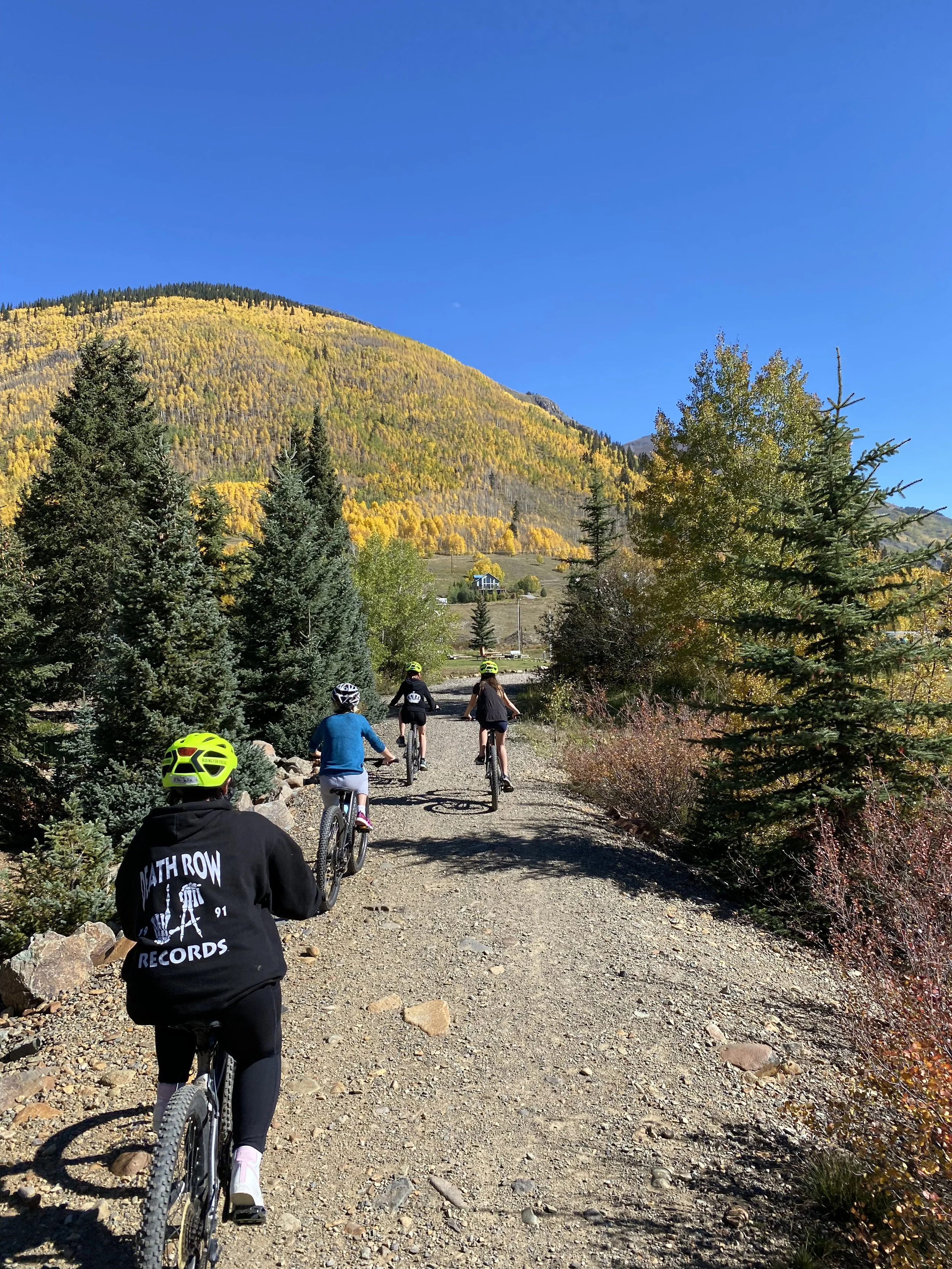
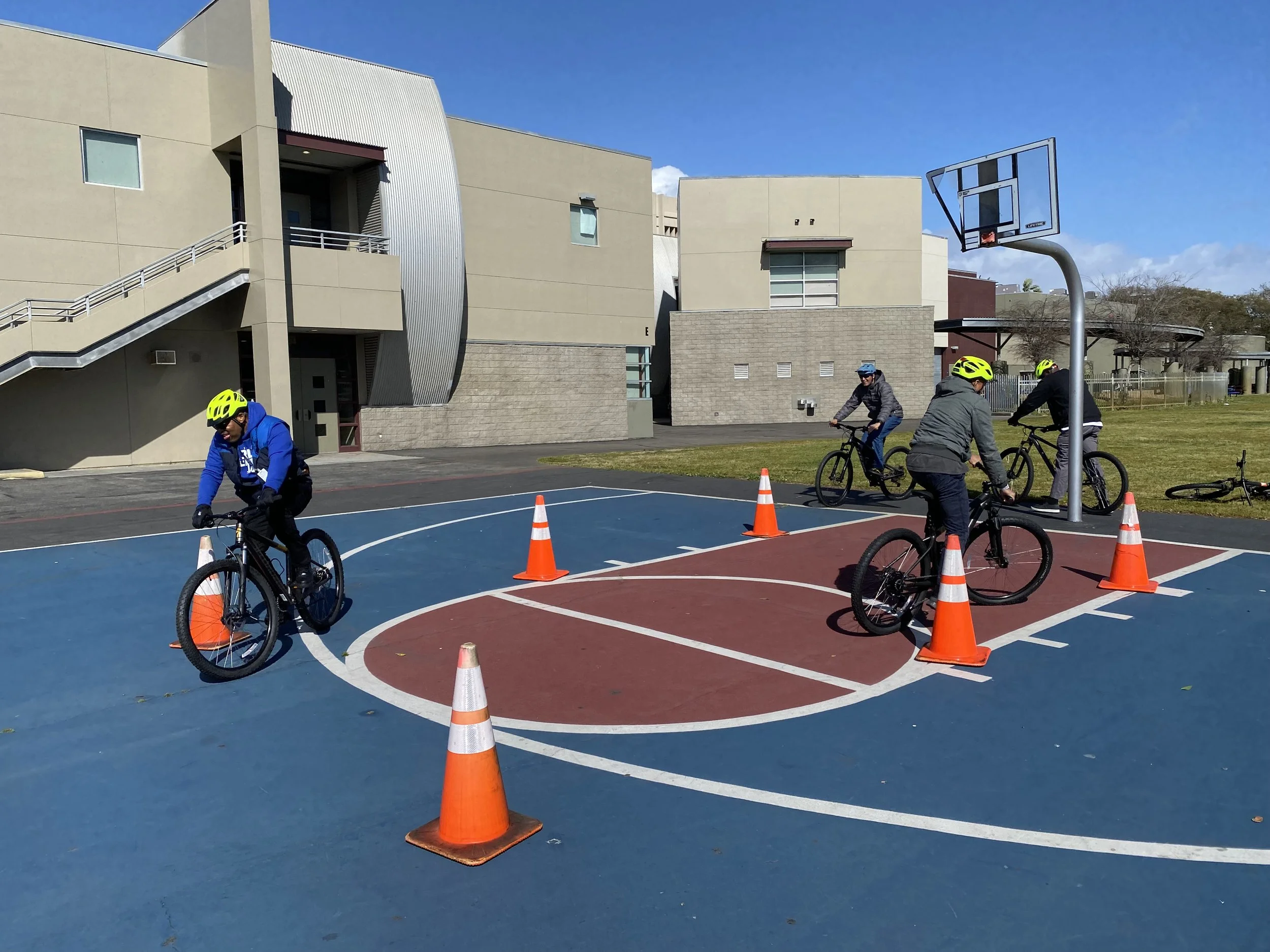
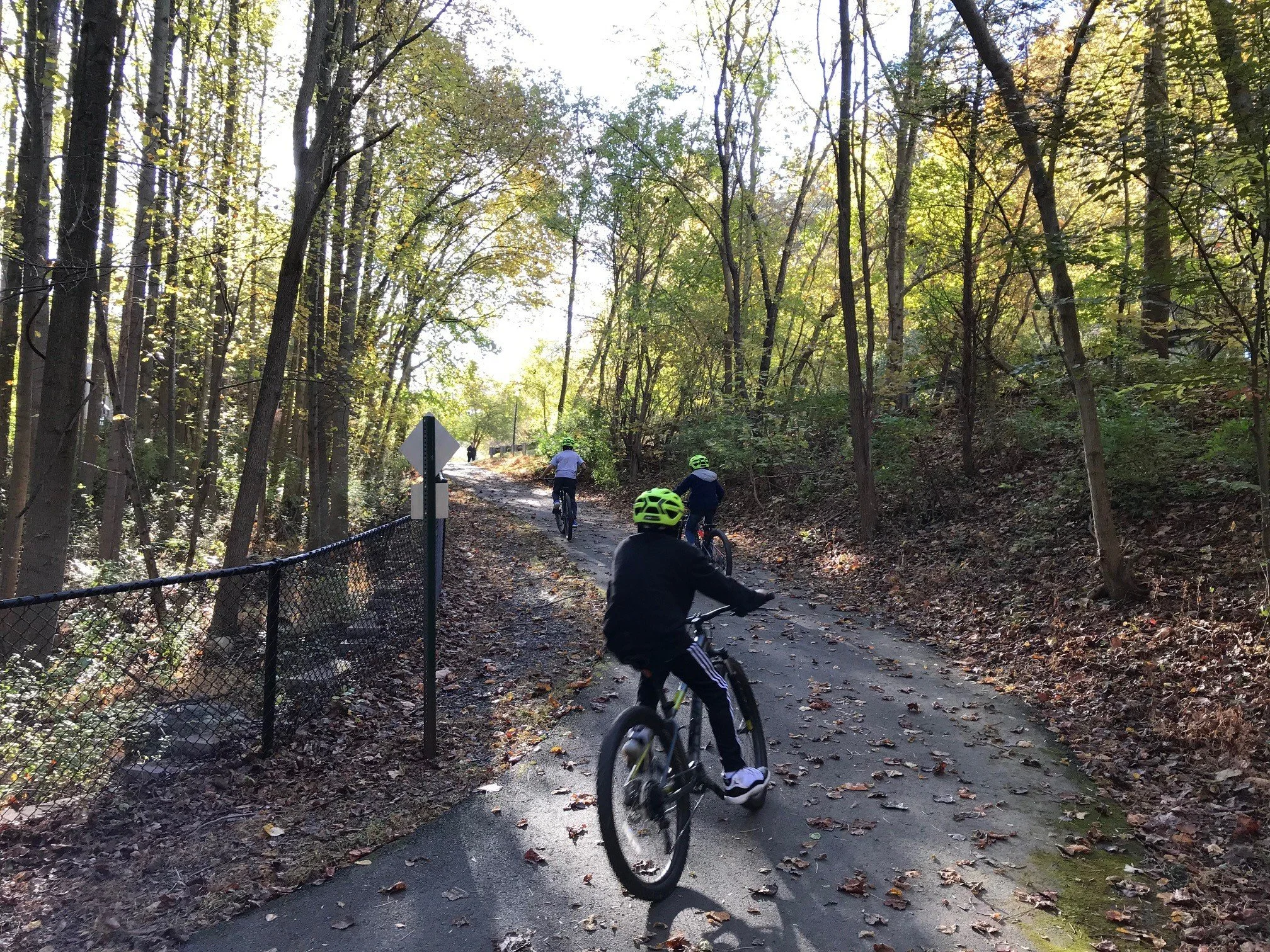
R4F Program is Widely Applicable
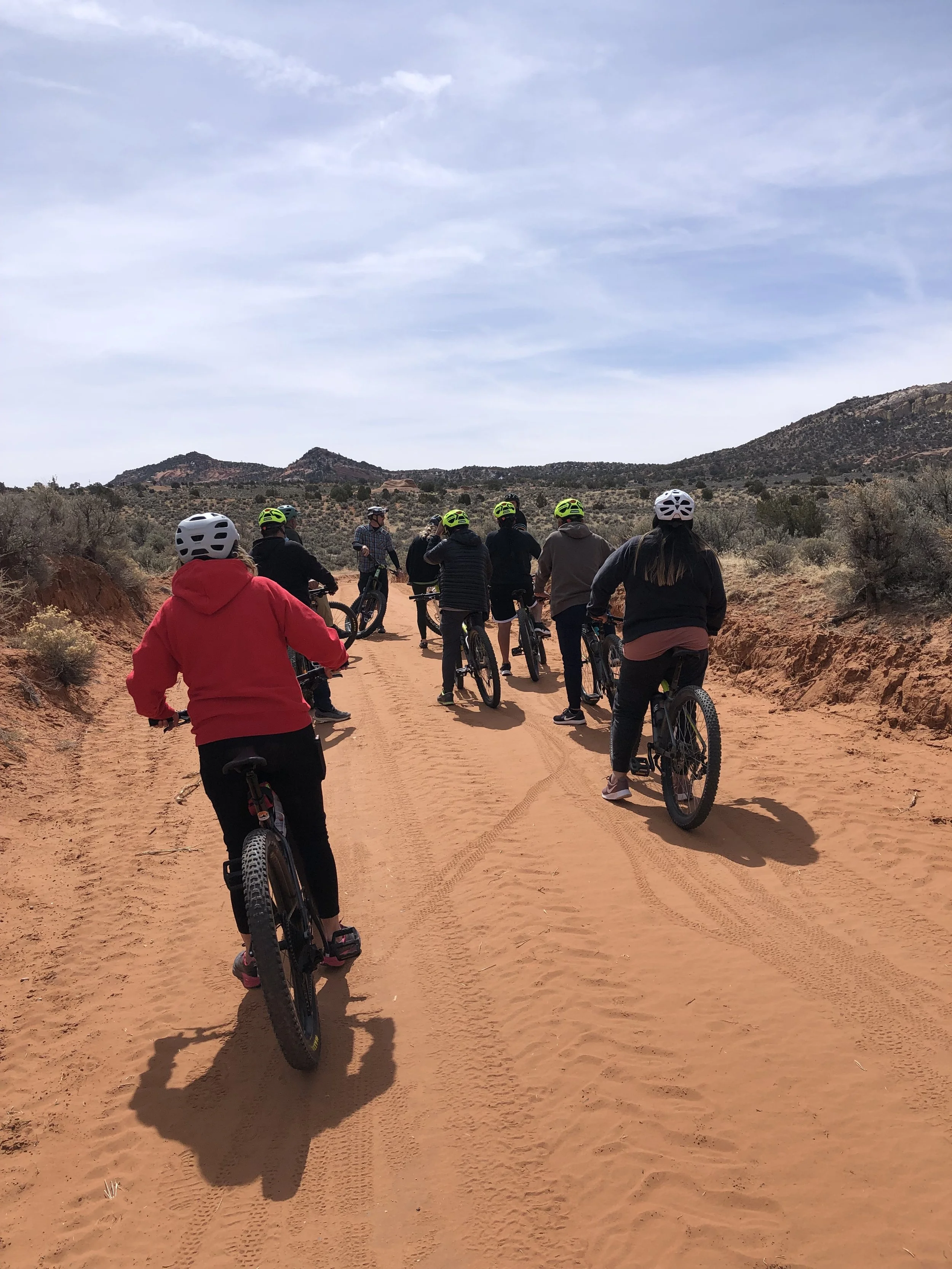
Mix of schools across urban, rural, and suburban settings
Representative of youth demographics in the United States across gender and race and ethnicity
The majority of schools are serving youth from low-income backgrounds (in line with Outride’s granting priorities)
Students Had Fun and Saw Benefits to Participating
The majority of students said they had fun (79.2%), better understood how their bike works (77.3%), and felt more knowledgeable about riding safely (77.8%).
Participation in the program was associated with stronger confidence in cycling skills, more regular helmet use, and better mental wellbeing. Students frequently mentioned enjoying being outside, riding with friends, and improving their skills; factors that are all linked to improved mental wellbeing.
Teachers Appreciated the Program
Teachers overwhelmingly agreed that students became more confident riders and learned critical safety practices. Many noted that students who had never ridden before were able to learn a lifelong skill, and that those “aha moments” were some of the highlights of their teaching year.
"I have seen more smiles implementing this curriculum than any other I have done, and I have been teaching for 23 years.” - R4F Teacher
Implementation Setting
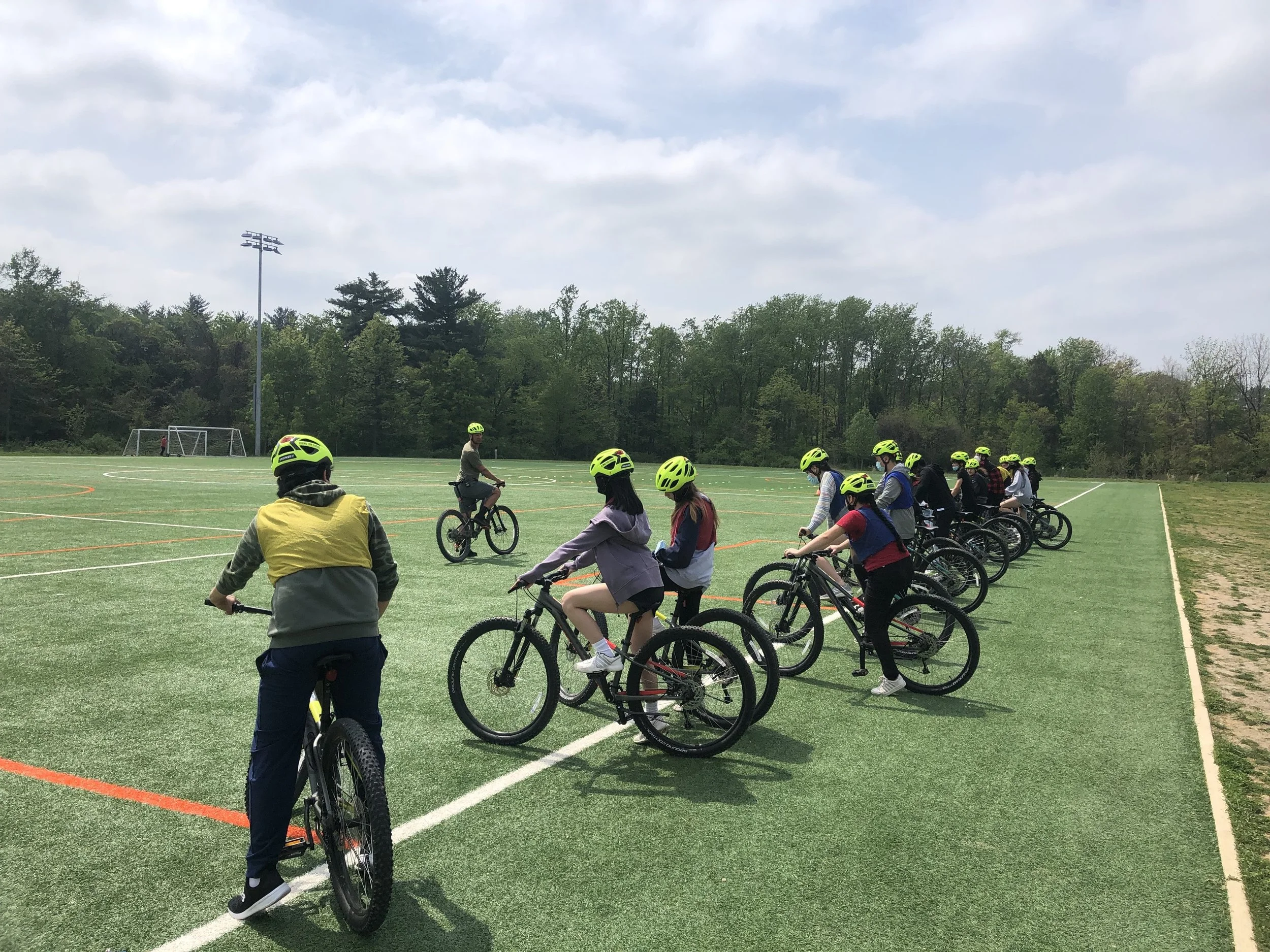
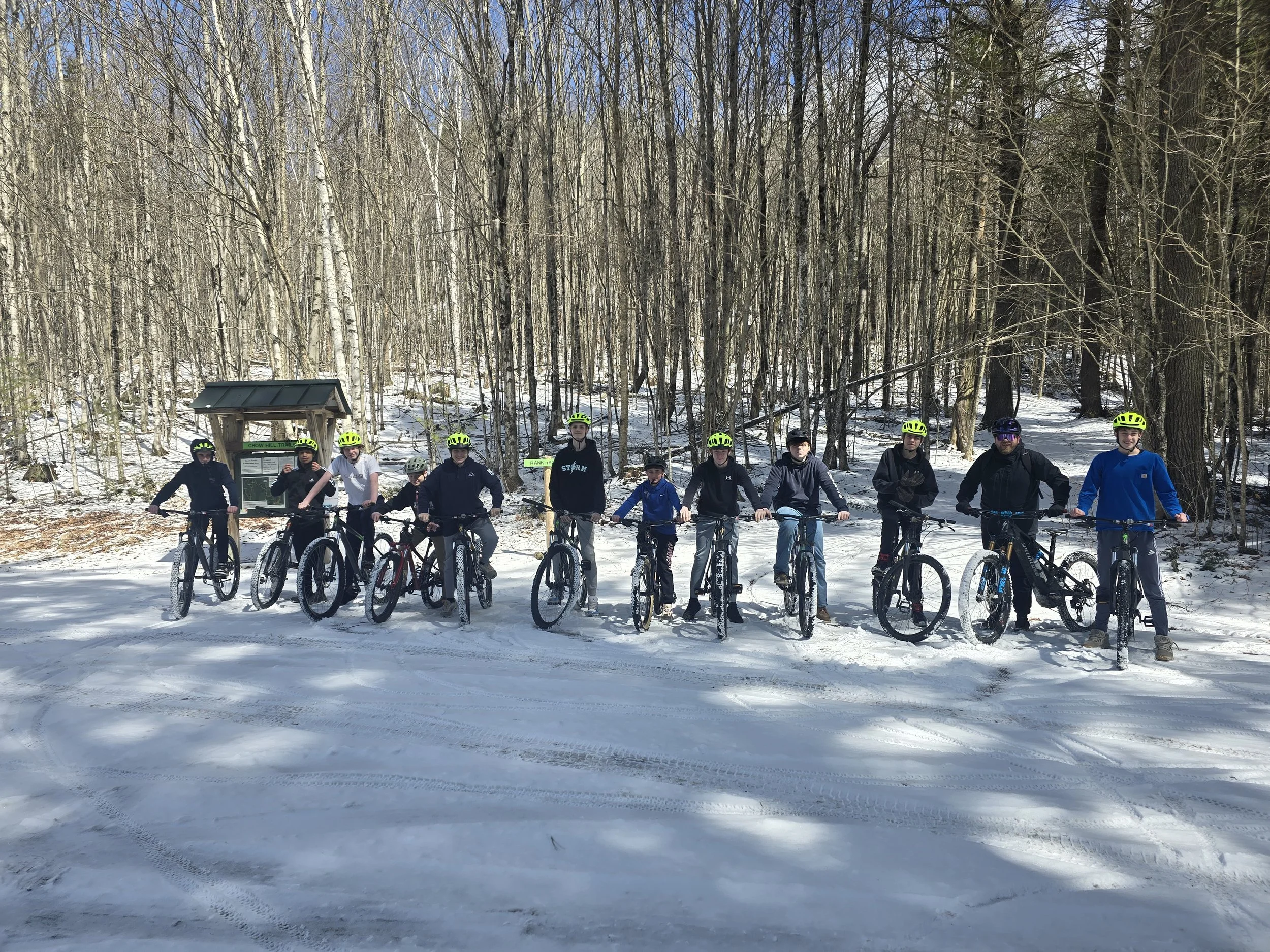
On average, schools ran the program for 21.8 program hours over a 6-week or longer period. The program was most commonly implemented as a Physical Education unit during the school day, with some schools including it as an outdoor or experiential education class. Schools reported using a wide variety of settings and terrains, from the school parking lot, soccer or football field, or indoor gymnasium for earlier lessons, and working up to nearby roads and trails as students’ riding skills developed.
No Immediate Increase in Riding Outside of School
The study did not find short-term changes in how often students rode outside of class, a result that mirrors global research. However, this doesn’t mean the students weren’t interested in doing so. Over 60% of students mentioned being more interested in riding outside of class. Access to safe infrastructure, bikes at home, parent permission, and community supports all play major roles in whether students ride beyond school hours. This highlights the critical need for a comprehensive and collaborative approach, with a coalition of organizations, like the Youth Cycling Coalition, to provide pathways for long-term participation in physical activity, like cycling.
Schools Adapted the Program to their Setting
Even during challenging pandemic years, most schools met or exceeded The Riding for Focus curriculum's recommended time on bikes. Teachers adapted lessons to weather, student skill levels, and campus environments in ways that still maintained core program goals. The most common challenges teachers reported facing included equipment upkeep, class sizes and differing ability levels, and staff turnover.
HOW WE’VE ALREADY APPLIED WHAT WE’VE LEARNED
The evaluation offered clear insights into how to strengthen teacher support, community connections, and the long-term sustainability of the program. Based on that feedback, Outride has already taken meaningful action and incorporated it into the program:
More teacher training opportunities and teacher support
Launched on-demand training videos for our Outride Riding for Focus schools
Brought back Camp Outride – our in-person summer professional development training for new R4F teachers
Increased regular contact with the Outride team for assistance and troubleshooting
Create more opportunities for teachers in the network to connect
Created more opportunities for teachers to share ideas, strategies, and solutions through an online communication channel, knowledge sharing opportunities, and more
Elevated peer-to-peer learning from experienced R4F educators
Expanded support for schools
Added new opportunities for schools to receive added assistance through our Community Impact Grant which offers R4F schools the opportunity to apply for funding to support their program
Provided guidance for navigating common challenges such as storage and maintenance
Deeper integration with the youth cycling ecosystem
Strengthened collaboration through the Youth Cycling Coalition
Connected schools to pathways such as Safe Routes to School, afterschool riding programs like NICA, high school bike mechanic programs like Project Bike Tech, and other opportunities
These updates directly reflect what educators told us they needed most: flexible support, a network of peers, practical solutions to logistical barriers, and ways to keep students riding once the unit ends.
THANK YOU!
We’re committed to continuing to learn from the incredible educators and students who bring the program to life each year. Thank you for riding with us, and for helping build a future where every young person has access to the joy, freedom, and wellbeing that come from hopping on a bike. Read the full article here and to learn more about all things Outride, subscribe to our newsletter and follow us on Instagram to see our programs in action.
“It is incredibly rewarding to see the data confirm what we’ve witnessed in the gymnasium: when you give a middle schooler a bike and the skills to ride it, you aren't just teaching a hobby, you’re unlocking a new sense of independence and lifelong activity. For PE teachers, this evaluation confirms that cycling is a high-engagement, high-reward addition to any curriculum. It’s inspiring and validating to see high levels of student enjoyment and confidence, but the real takeaway for Physical Education teachers and administrators is that this program works, and is worth it.” - Ben Rollenhagen, Lead Cycling Curriculum Developer and Instructor, Central Michigan University

Where we’re riding - Outride Riding for Focus Programs Map 2020 - 2025